
a

Disclaimer:All information in this newsletter is not intended for investment decisions / purposes. Mnt Goat is not a financial analyst, planner, banker, attorney or associated in any role with giving out professional investment advice.
ABOUT THE NEWSLETTER:

March 31, 2026 Mnt Goat News Brief
Guten Tag everyone:
The RV saga continues with the election cycle. I believe the deadlock over the Maliki candidate for prime minister may be finally over but ‘never say never’ as there still has to be a vote in parliament and Maliki will fight it to vote against any candidate not going along with the Iranian-backed agenda for Iraq. As we are now in the most sacred week of the entire Christian church we must continue to pray and pray hard for peace and freedom in the Middle East, but real peace not peace through appeasement only to fool us all later for yet more control over us.
GIVE A GIFT TO MNT GOAT
I decided to allow everyone to give a Free-will GIFT to Mnt Goat on PayPal if you so desire. Here is the link below. Please show your appreciation for all the hard work I do.

I recommend $15-$20 dollars a month or whatever you can afford. Do you realize I write up to eight (8) Newsletters every month. This is like a second job to me. The only way I know that people are reading and appreciating all the FACTUAL news I bring is through their appreciation. If I do not receive equal appreciation for all the hard work I do, I will simply end the Newsletter and save myself endless hours at the computer. You do want to get paid for your job, don’t you? What makes my job any different? Tell me….. I am tired of this RV saga just as you are.
Let’s all try to chip in!

____________________________________
Matthew 7:11
“If ye then, being evil, know how to give good gifts unto your children, how much more shall your Father which is in heaven give good things to them that ask him?”
STATUS OF THE RV
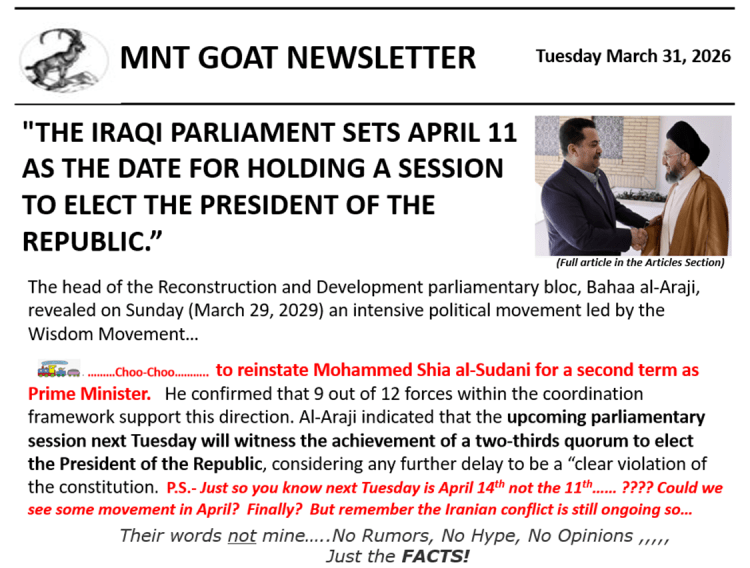
😊 I’ve got some good news for you today. Looks like we might see some movement in the direction of finally getting the Iraq elections completed. Take a peak at the article titled “THE IRAQI PARLIAMENT SETS APRIL 11 AS THE DATE FOR HOLDING A SESSION TO ELECT THE PRESIDENT OF THE REPUBLIC”. The Iraqi parliament’s presidency announced on Monday that April 11th has been set as the date for a session to elect the president of the republic.
The Presidency of the Council stated in a statement received by Shafaq News Agency that it “held an expanded meeting with the heads of the parliamentary blocs to discuss a number of important files related to the work of the Council, most notably the discussion of a number of important laws that will be included on the agendas of the Council’s sessions during the coming period. (We know from a past article the agenda will include the Oil and Gas Law (HCL) ).
She added: “The meeting also discussed at length the issue of electing the President of the Republic, and the importance of proceeding with this constitutional entitlement and ending the political deadlock in light of the security and economic conditions that the country is suffering from
☹Okay, so first it was April 1st then it changed to Aprill 6th and then April 11th and now what? My head is now spinning as they publish yet another article following the previous one on the same subject matter titled “MP: THE SESSION TO ELECT THE PRESIDENT IS NOT YET DECIDED, AND POSTPONEMENT IS POSSIBLE”. Former MP, Arif Al-Hamami, confirmed on Tuesday that the session scheduled for April 11 to elect the President of the Republic has not yet been decided, noting that setting the date came as a result of initial understandings that have not reached the stage of final confirmation. Indications show us that “postponing the date remains very possible in light of the lack of mature agreements.”

What the heck….????
😊 Also take a peak at another article titled “JAMAL KOJAR: IRAQ NEEDS A FULLY EMPOWERED GOVERNMENT TO ENSURE THE COUNTRY’S STABILITY”.
MP Jamal Kojar confirmed on Friday that the continuation of the state with a caretaker government and an outgoing president does not give it the highest degree of authority, stressing the importance of having a fully empowered government in light of the exceptional situation that the region is witnessing. He added that “the legislative, executive and judicial institutions must continue to carry out their work normally and perform their role as required, stressing the need to pass the political entitlements, choose a president for the republic, appoint a prime minister, then vote on the cabinet, as well as activate the work of the House of Representatives in passing laws and monitoring government work.”
I want to remind everyone of two things:
First, the conflict with Iran continues and they told us they would not reinstate the dinar until this situation with Iran stabilizes and settles down.
Second, we need once again to make the connection between electing the president (Kurds) and then followed by the prime minister (Shiite responsibility). Who is going to back the Shiite Iranians occupying inside Iraq when Iran falls. Basically, it has already fallen and the Iranian military is just now trying to hide the remaining military weapons to use against the U.S. should they decide to occupy parts of Iran. This is why it is essential to take out these sites first.
😊 An interesting article backs up the notion that parliament is ready to work and get the election saga over. In the article titled “AL-HALBOUSI HINTS AT A DECISIVE MOVE TO ELECT THE PRESIDENT, AND MPS ARE COLLECTING SIGNATURES”.
The Speaker of Parliament, Hebat al-Halbousi, called for expediting the election of the President of the Republic, stressing “that continued delay is no longer acceptable due to its direct impact on the stability of the state and the regularity of the work of its institutions” .
Al-Halbousi stated in a post seen by Al-Sa’a Network that “the House of Representatives will bear its constitutional responsibility and proceed towards fulfilling this entitlement, after giving sufficient time to agree on choosing a suitable person for the position.” The question still stands in that will Kurdistan cooperate and announce their nominee for president? This is the next chess move that must happen.
So, I think we are about to head into some positive news in the next few weeks about the 2025 election cycle, however please don’t go off half-cocked and think too much of the recent news. Please no rumors and let’s just stick to the FACTS and TRUTH. I firmly believe that NOTHING is going to happen until this Iranian issue is settled.
The HCL Lies Told by Intel Gurus
Next, I want to clarify what HCL really means. Honestly I don’t know where these stupid intel gurus get their concept of this law from. Many of these intel gurus are still ignorant of this subject matter especially this guy Wang Dang and TNT Tony. They claim from somewhere over the last couple decades a notion that HCL is just a distribution of the oil revenues among the citizens. Really? I am here to tell them once again IT IS NOT! It is much, much more than that. Hey…just like the RV rate will be in the budget…lol.. lol.. lol..
Here is what the law is: The Iraqi Hydrocarbon Law (HCL), also known as the Oil and Gas Law was a significant piece of legislation submitted to the Iraqi Council of Representatives in 2007. The necessity for the law comes from the new Iraqi constitution of 2005, Articles 111 and 112. It is aimed to establish a regulatory framework for Iraqi oil fields not to give oil stipends to the citizens. It allows foreign companies to engage in oil production and development in Iraq. So far, the company SOMO has been selected to manage the brokering of the oil for export and contractors who work in the fields. The law, as it stands today, is NOT passed in parliament as it has sparked controversy and debate over the last decades. These controversies come with concerns over the potential division of the country and the role of foreign companies in the oil sector. But much recent progress has been made. As of 2024, the law continues to evolve having the latest version of the law already being implemented in action, but still not passed into law ‘officially’ by parliament. This is the first version of the law that Kurdistan is actually now demanding it go forth with before parliament and pass into law. So, there should be little controversy over it and it should pass easily.
As investors in Iraq, over these last decades we witnessed the lack of this law being made ‘official’ and put into the gazette. This law will help in the ability to settle disputes and has caused many stirs and delays in parliament.
I quote these Articles from the new Iraqi Constitution:
Article 111: Oil and gas are owned by all the people of Iraq in all the regions and governorates.
Article 112:
First: The federal government, with the producing governorates and regional governments, shall undertake the management of oil and gas extracted from present fields, provided that it distributes its revenues in a fair manner in proportion to the population distribution in all parts of the country, specifying an allotment for a specified period for the damaged regions which were unjustly deprived of them by the former regime, and the regions that were damaged afterwards in a way that ensures balanced development in different areas of the country, and this shall be regulated by a law.
Second: The federal government, with the producing regional and governorate governments, shall together formulate the necessary strategic policies to develop the oil and gas wealth in a way that achieves the highest benefit to the Iraqi people using the most advanced techniques of the market principles and encouraging investment.
Oh…. but what about Profit Sharing (stipends)?
As far as the law goes and in practice too there is no individual profit sharing or stipends handed out to the citizens, as these stupid intel gurus pretend there is or will be as the basis for HCL. It is all just a lie and not factual. In article 112 of their constitution and I quote from it – ‘provided that it distributes its revenues in a fair manner in proportion to the population distribution in all parts of the country”. Folks this quote from article 112 talks about what is now being paid in salaries not individual stipends. It comes directly from the CBI in electronic form to Kurdistan, about 12% of the oil revenue dues. Kurdistan then distributes it and uses the money in many ways other than paying just salaries. Since Kurdistan is part of Iraq and has all the oil, this is only fair. The Oil and Gas Law makes it fair.
So, the current Oil and Gas law does NOT specify anywhere that the average citizen will get an oil stipend as done in other oil producing countries such as Saudi Arabia. We are waiting for the Oil and Gas Law to pass in parliament but for the right reasons not some intel guru bullshit once again.
What do they tell you concerning HCL?
The premise for the lies is because they are using the HCL as target event to con you into believing that when the RV does happen these so-called imaginary stipends will be paid out in the new RV rate. Just another gimmick to get you listen to their conference calls. Get it? They go on and on about these stipends and new RV rate without even mentioning the necessity to repeg the dinar first and then to reinstate the dinar back to FOREX as the primary movement we are waiting to see.
What the new Oil and Gas Law does is it authorizes production share agreements (PSAs) which guarantees a profit for foreign oil companies. The central government (GOI) distributes remaining oil revenues (after expenses) throughout the nation on a per capita basis. This is why the census was so important.
This is not individual stipends from oil, get it? This is the salaries, a share of the excess oil revenues that go to the regions as a whole. This is what we read countless articles about and why Kurdistan boycotted so many past sessions of parliament.
These revenues are used to pay government salaries, schools, hospitals, water, etc., etc. throughout the country, The controversy we keep hearing about is with the Kurdistan region as they have felt they were not getting their fair share of the revenues. The southern Baghdad regions have no issues and salaries are always paid on time to them. The IMF clearly stated in its past consultation sessions with Iraq that the GOI must get the salaries to Kurdistan on a regularly timed monthly basis, without delays, just as the southern regions get it. I would only guess this would also be a stipulation for the RV to happen.
The new 2024 DRAFT Oil and Gas law allows Iraq’s provinces freedom from the central government in giving exploration and production contracts through SOMO. Iraq’s constitution allows governorates to form a semi-independent regions, fully controlling their own natural resources, as Kurdistan does today and will continue to do so. This is all spelled out in the 2024 Oil and Gas Law and why it is so imperative to finally get to law. Remember also that oil is still the life-blood of Iraq.
😊 In the article titled “ECONOMIC EXPERT: A HONG KONG COMPANY HAS SUBMITTED A PROPOSAL TO IRAQ TO EXTEND TWO OIL PIPELINES TOWARDS JORDAN AND TURKEY”. Economic expert Nabil Al-Marsoumi revealed that Iraq has received an offer to construct oil pipelines from the Hong Kong-based company Heritage Funds LPF.
The company submitted its offer to the Iraqi Ministry of Oil to implement the following two projects:
1. A project extending from the port of Basra to the city of Haditha, and from Haditha to Aqaba in Jordan or the port of Latakia on the Mediterranean Sea in Syria.
2. A pipeline extending from the port of Basra to the Turkish border.
“Drill Baby Drill” 😊 😊 😊
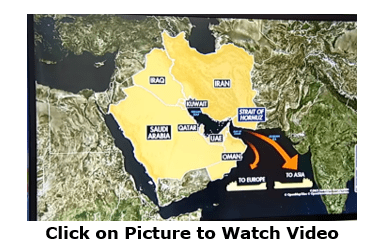
Of course it does no good to drill and find oil, then pump it out of the ground without being able to transport it to market. The situation with Iran and the oil barges also is impacting market demands for Iraqi oil. However Iran assured Iraq their tankers could pass through the Strait of Hormuz to enter the Gulf of Oman to travel further to markets.
___________________________________
SUMMARY:
I know it seems like a long time since the elections were held in November 2025 and it has. Trust me when I say this to you that we are much, much better off waiting these past four plus months than to have Nori al-Maliki (peanut-head) as the prime minister. We would be waiting years more, at least with Maliki. I pray that this last go-around with Maliki awakened the citizens just how vulnerable the country really it to tyranny. It should also awaken them to the Iranian influence and what Iran had planned for Iraq. So, we may see the end to this election saga in the next few weeks however we still have issues with the Iranian militia and terrorist organizations in Iraq. These too must be addressed.
I like it that parliament is working on finally getting the Oil and Gas Law passed into law. According to what I heard it should go smoothly once they take the legislation up for study and vote.
Many times we read articles from Iraq on something and it sounds so encouraging. How many articles have we read about the point of sale and the use of electronic crads (debit cards). But what is the real story that is actually going on? Is it as bad as the author of a very recent article portrays it?
Please take peak at the recent article titled “CASH FIRST”… WHY IS ELECTRONIC PAYMENT FAILING TO GAIN THE TRUST OF IRAQIS?” When you read the article also keep in mind the notion of nearly 80% of the monetary mass in dinars is outside the banking system. This article, without knowing it, also touches on this issue today. Please go read the entire article as it is telling us a lot about the culture and the people.
In Iraq, cash still retains its position as the most prevalent means of payment in daily life, despite the gradual expansion of electronic payment services.
While financial systems evolve and banking cards and applications proliferate, cash transactions remain the preferred option for a wide segment of citizens, as they consider it the fastest, simplest, and safest from their point of view, given the ongoing challenges related to trust in banking services and their stability.
Hear is an example what is going on in the minds of an average Iraqi citizen:
Citizen Taha Ahmed told Shafaq News Agency that he prefers to use cash in his daily transactions instead of electronic payment cards, despite having a bank card, explaining that he only uses it when his salary is deposited, as he withdraws it in full immediately.
He adds that the reason is due to the ease of dealing with cash on the one hand, in addition to widespread concerns about the possibility of theft or unjustified withdrawals from cards without the knowledge of their owners or prior notification from the banks.
According to Ahmed, these concerns, whether true or just rumors, prompted him to avoid keeping any money on the card and instead rely on cash for all his daily transactions, indicating that the lack of trust in electronic payment methods is still an influential factor among a segment of citizens, despite the increasing spread of these services.
How do you think all this will end?
What do you think will happen? (Leave a comment)
_______________________________
______________________________

________________________________________
Their words not mine…..No Rumors, No Hype, No Opinions ,,,,,
Just the FACTS!
PRAYING WITH SINCERITY
Many may ask why their prayers are not being answered. Our new Shepard in Rome Pope Leo XIV has given us some direction.

You can purchase a nice pair of Rosary Beads here to pray:


These prophecies are more important now more than ever. They give us the strength, perseverance and hope that a better time is coming and that God’s Hand is at work behind the scenes. If you just take a second even to look around you at these past three election cycles, how can you deny that God is at work? Are you sleeping or what?
It is amazing and there is no other way that these events could have happened the way they turned out. But there is more to come, much, much more, I assure you! Now that God has his biblical David re-elected, we need to pay attention to what He does next.
NOTE: These prophecies just keep getting better and better, giving us HOPE of a brighter future. But the real reason why I listen to them is that we can actually see what God says He will do is taking place right in front of our noses. It is a confirmation to me that God is real and is still with us forever just as in biblical times.
Prophetic Words from prophet: Julie Green
Prophetic Words from prophet: Julie Green
“A New Election System Will Be Put In Place “
Go to the 13:05 mark for the prophecy. First one from Mar 22nd.

“Mass Deportations Are Coming “
Go to the 15:39 mark for the prophecy. From Mar 27th

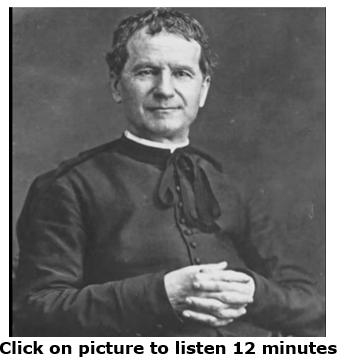
Fr. DON BOSCO EXPOSED THE DARK SECRET BEHIND ISLAM
— And the Truth the World Forgot about the so-called Muslim religion. Fr.Don Bosco, also known as John Bosco, was an Italian Catholic priest and educator, born on August 16, 1815. He founded the Salesian Society in 1859 to help disadvantaged youth, particularly boys, through education and community service. His teachings emphasized lovekindness, and the importance of education for young people, making him a beloved figure in Catholicism and a patron saint of youth. Don Bosco was canonized in 1934.
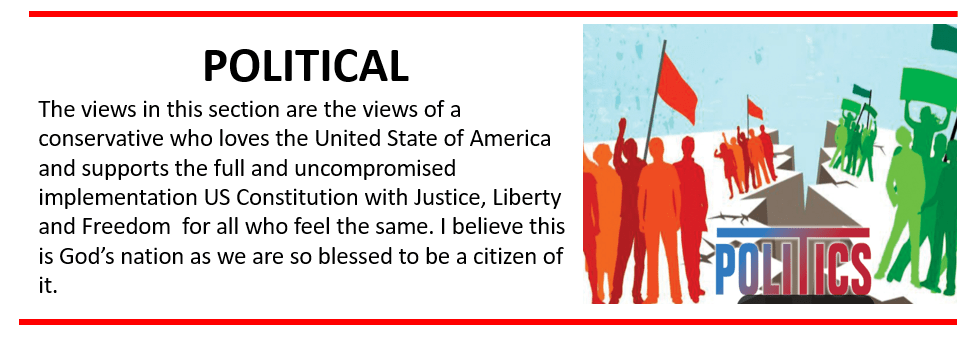
“YOU WON’T BELIEVE WHAT THEY DID BEHIND CLOSED DOORS…
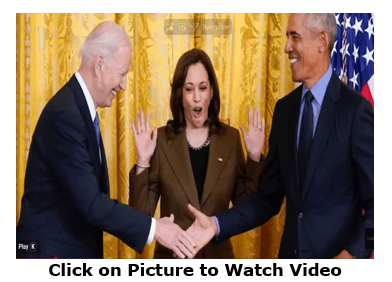
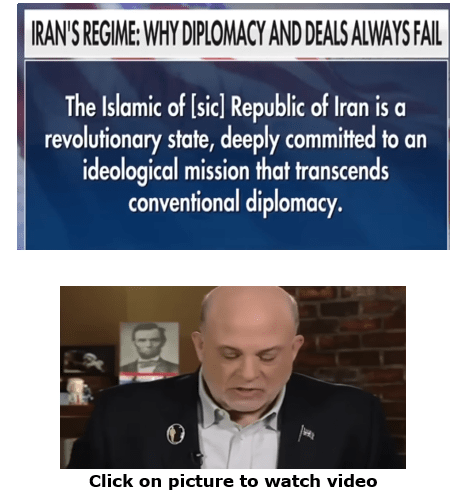
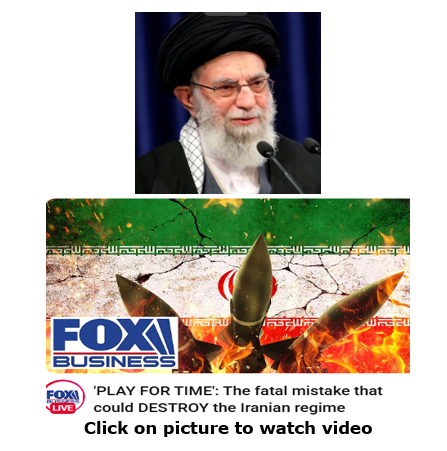
IRAN ISLAMIC JIHAD: THE MODERN DAY NAZIS
Could Senator Lindsey Graham be that far off in his analysis? The TRUTH about the Iranian buildup of nuclear weapons and why the U.S. had to do something to stop it. Remember the Islamic Jihad is an ideology that sounds so wonderful on the cover, but only if you are stupid enough to believe it.
This is a wonderful speech by Senator Lindsay Graham and everyone should take note of what he says as to why the U.S. is in Iran. This is not a game, it is serious and thank God we have a president with the guts to confront this horror.
I was listening to this information in amazement as even I did not fully understand the severity as to why we are in Iran doing what our military is doing. Now I get it! Will you? WOW! WOW! WOW!
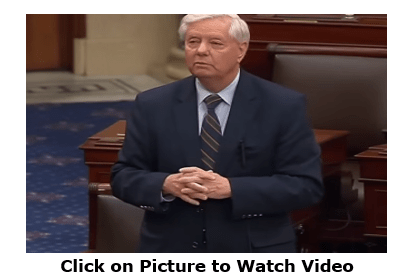
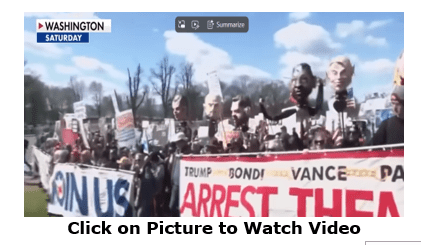
THINK ABOUT THIS: Do we have to have another Pearl Harbor to wake everyone up? These ‘No King’ rallies remind me of old films of protests throughout the U.S. against the U.S. getting involved in WWII in Europe. Then what happened- Pearl Harbor? America finally woke up. The Nazis were defeated. So, do we have to have a nuclear bomb go off in NYC or some other major city to wake the people up? Seriously do we have to lose millions of lives first? Is this why they are legalizing marijuana in many states to mess with your head? These people at these rallies hate Trump so much and don’t even know why.
‘NO KINGS’ RALLIES. REALLY?
Just another ridiculous way for the ‘Trump deranged syndrome idiots’ to expose themselves once again. Yes, another propaganda rally.
Funny how stupid these crowds of people can actually be since they didn’t learn their lessons with attending the BLM rallies and riots of the past. So even after all the exposure of the stollen BLM money that never went to help the black community, so here we go again…. more idiocy. Every one of the speakers claim to support democracy and the US constitution, however words are just words but actions speak much louder. If you look at every one of the speaker’s records there is anything but that. Again, listen to what they do not what they say.
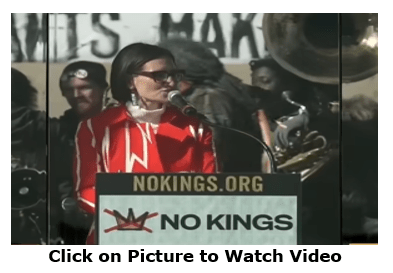
Are these people at these rallies mentally retarded? A Psychotherapist analyzes anti-Trump ‘No Kings’ protests.
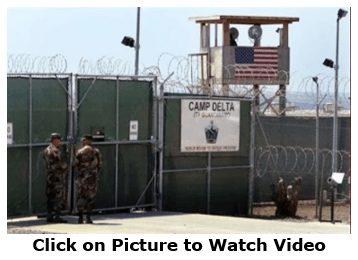
WHAT’S GOING ON IN GITMO? WHY SO MUCH EXPANSION?
It’s a long watch but well worth learning about. This goes hand in hand with the prophecies that tell us justice is going to be served to these corrupt officials.
Executive order 14189 now allows military tribunals and courts to be used on civilians for cases that involve TREASON, TRAFFICIING or ESPIONAGE.
Why does God keep telling us in the past and even now that these courts will be used? Folks this is real information , not made up so-called intel. The news did not cover this and probably won’t.

I have created a brand-new “Post RV Workshop” page in the blog. I included my own personal tips on investing post-RV and also organizing and protecting your estate. Here is the LINK. Going forward I will only post new and exciting information and opportunities here on the Latest Newsletter as they come along. Later I will transfer it to the ‘Post RV Workshop’ page in subsequent Newsletters for your future reference.
Just so you know I absolutely DO NOT adhere to high-risk investments where you can lose it all in a flash. Look at it this way – you are going to have all this money from your dinar exchange. Then why blow it! Most of us investors waited decades for this RV to happen and so why would you even think about pissing is all away in some high-risk gamble of an investment. Yes, there are going to be scammers out there but let’s talk about legitimate investment opportunities only. These scammers can suck you dry and there is not a damned thing you can do about it.
Go to a legitimate wealth manager associated with your bank. Let the licensed experts advise you. Please, please stay away from idiots like MarkZ, TNT Tony, Bruce (on the Big Stupid Call), etc. , etc. Go to professionals. It doesn’t mean you have to follow everything they advise you but it’s a great start. Remember they too are selling investment products and get commissions.
Nothing new to report today. Please see the blog section on the other great news on this subject matter here LINK.

A PARLIAMENTARY SOURCE TOLD AL-FURAT NEWS: SIGNATURES ARE BEING COLLECTED TO HOLD A SESSION NEXT MONDAY AND END THE PRESIDENTIAL ELECTION CRISIS.
(Obviously this did not happen yesterday, Monday! Another article tells us they delayed it until April 11th. )
A parliamentary source revealed today, Thursday, a movement to end the political deadlock and collect signatures to hold a session of the House of Representatives next Monday to elect the President of the Republic.
A source told Al-Furat News Agency that “parliamentary efforts are underway to break the deadlock, with a parliamentary session scheduled for Monday to elect the president.” The source also revealed that “signatures have been collected from members of parliament to convene Monday’s session and resolve the presidential issue,” noting that “more than 160 signatures have been gathered to hold the session next Monday to elect the president.”
It is worth noting that Iraq has been in a constitutional vacuum since January 29, 2016, after the parliament failed to vote on a president and postponed the parliamentary session designated for this purpose multiple times due to political disputes between parties and competition for key positions.
Currently, the competition for the presidency is between the two major Kurdish parties that govern the Kurdistan Region: the Kurdistan Democratic Party (KDP) and the Patriotic Union of Kurdistan (PUK).
The Iraqi constitution stipulates a clear timeframe for electing the president, requiring that the election take place within 30 days of the first session of the new parliament, with the incumbent president continuing to perform his duties until a new president is elected.
With parliament’s failure to elect a president, Iraq has entered a constitutional vacuum, potentially leading to problems regarding the powers of outgoing officials, as well as delays in completing projects and managing the country’s daily affairs.
Parliament has not scheduled a new session to vote on the presidential election, and the legislative authority has offered no comment or justification for this, except for remarks suggesting that the 30-day period stipulated by the constitution refers to official working days and excludes holidays—an interpretation lacking any basis in the constitution or parliament’s internal regulations.
************************************************************************************
JAMAL KOJAR: IRAQ NEEDS A FULLY EMPOWERED GOVERNMENT TO ENSURE THE COUNTRY’S STABILITY.
MP Jamal Kojar confirmed on Friday that the continuation of the state with a caretaker government and an outgoing president does not give it the highest degree of authority, stressing the importance of having a fully empowered government in light of the exceptional situation that the region is witnessing.
In his interview with Al-Furat News Agency, Kujer pointed out that “linking the failure to pass presidential and ministerial entitlements to the current circumstances is evidence of Iraq being affected by what is happening in the region, stressing that it is better for Iraq not to be part of these circumstances and for the Iraqi state to remain strong and independent from any direct or indirect influences.”
Kujer added that “the legislative, executive and judicial institutions must continue to carry out their work normally and perform their role as required, stressing the need to pass the political entitlements, choose a president for the republic, appoint a prime minister, then vote on the cabinet, as well as activate the work of the House of Representatives in passing laws and monitoring government work.”
He explained that “these steps are considered the best to ensure the stability of the state and enhance Iraq’s strength in the face of internal and external challenges, stressing that delaying the passage of the entitlements poses a threat to the stability of the state and its ability to confront the changing regional situation.”
*************************************************************************************
IRAQ AND THE UNITED STATES ESTABLISH A HIGH-LEVEL COMMITTEE TO ENHANCE SECURITY AND KEEP THE COUNTRY NEUTRAL FROM REGIONAL CONFLICTS.
The Security Media Cell announced on Friday the formation of a joint high coordination committee between Iraq and the United States of America, within the framework of the strategic partnership and ongoing cooperation between the two countries in the political, economic and security fields.
The cell stated in a statement that the first meeting of the committee, which was held on March 26, 2026, witnessed the agreement of both sides to intensify joint cooperation to prevent terrorist attacks, and to ensure that Iraqi territory is not used as a launching point for any attack targeting the Iraqi people, security forces, or strategic facilities and assets, as well as to protect American personnel, diplomatic missions, and international coalition forces.
The statement added that both sides affirmed their commitment to keeping Iraq out of the ongoing military conflict in the region, with full respect for its sovereignty, and to supporting efforts to prevent the use of its territory, airspace and territorial waters to threaten it or neighboring countries.
He noted that both sides renewed their commitment to coordinating counter-terrorism efforts, giving priority to the Iraqi role in achieving common goals, and contributing to strengthening stability and preserving the country’s sovereignty.
*****************************************************************************************
AL-HALBOUSI HINTS AT A DECISIVE MOVE TO ELECT THE PRESIDENT, AND MPS ARE COLLECTING SIGNATURES.
The Speaker of Parliament, Hebat al-Halbousi, called for expediting the election of the President of the Republic, stressing that continued delay is no longer acceptable due to its direct impact on the stability of the state and the regularity of the work of its institutions .
Al-Halbousi stated in a post seen by Al-Sa’a Network that “the House of Representatives will bear its constitutional responsibility and proceed towards fulfilling this entitlement, after giving sufficient time to agree on choosing a suitable person for the position.”
He stressed that “Parliament has a national responsibility to resolve this issue in accordance with the constitution, and to choose a figure who represents everyone and contributes to restoring stability to the work of state institutions.”
In this context, the official agency quoted MP Sarwa Mohammed from the Patriotic Union of Kurdistan bloc as saying that more than 229 MPs signed a petition to hold a session next Monday to elect the president of the republic and task the candidate of the largest bloc with forming the government, noting that the country needs a fully empowered government.
This move comes after a broad parliamentary effort in recent hours to collect signatures to hold an election session, coinciding with calls by Iraqi elites to dissolve parliament and hold new elections under judicial supervision.
*********************************************************************************************
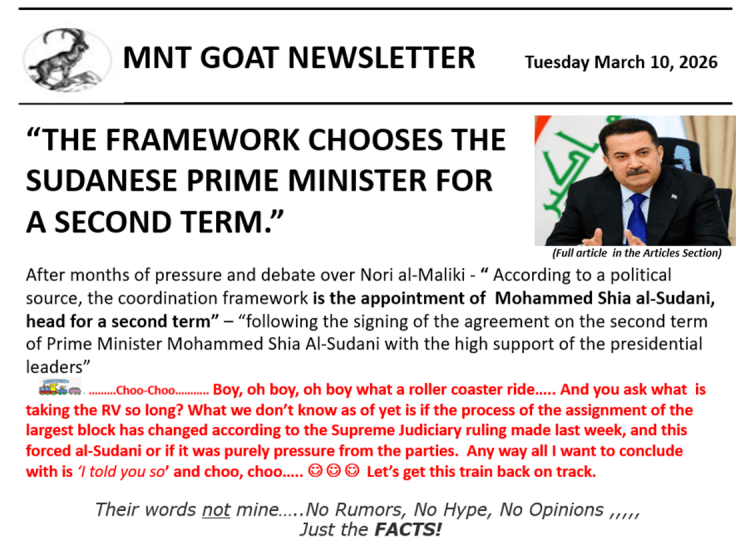
AL-HAKIM IS PLANNING THE RETURN OF AL-SUDANI, AND PARLIAMENT IS READY ON TUESDAY… BAHAA AL-ARAJI IS VERY OPTIMISTIC
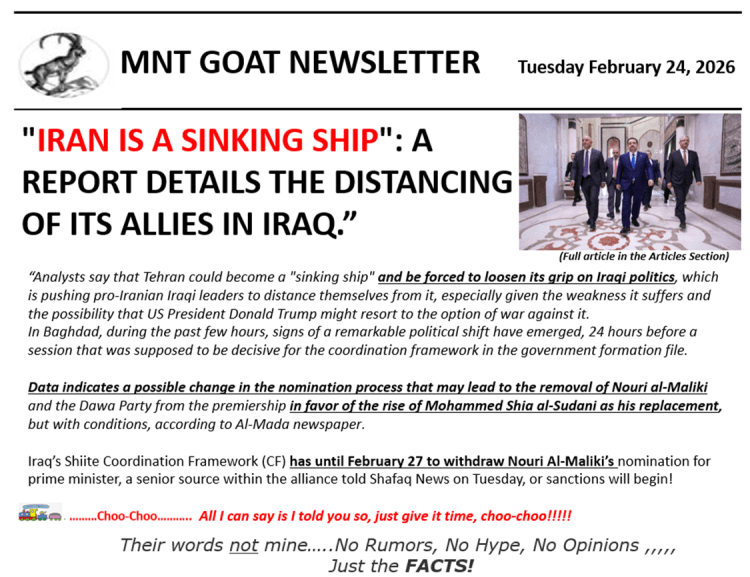
The head of the Reconstruction and Development parliamentary bloc, Bahaa al-Araji, revealed on Sunday (March 29, 2029) an intensive political movement led by the Wisdom Movement to reinstate Mohammed Shia al-Sudani for a second term as Prime Minister.
He confirmed that 9 out of 12 forces within the coordination framework support this direction. Al-Araji indicated that the upcoming parliamentary session next Tuesday will witness the achievement of a two-thirds quorum to elect the President of the Republic, considering any further delay to be a “clear violation of the constitution.” He added that Iraq is exempt from the decision to prevent passage through the Strait of Hormuz, and that Washington informed the Kurdistan Regional Government of the error of its decision to prevent oil exports. Al-Araji also announced that April 8 has been set as the final date for resolving the outstanding entitlements.
The Reconstruction and Development Coalition published, via its Facebook page, a statement by the head of the bloc, Bahaa Al-Araji, which was followed by the 964 Network , in which he revealed that “the two-thirds quorum required to elect the President of the Republic will be achieved in the upcoming parliamentary session on Tuesday, stressing that the opposition does not exceed a minority, foremost among them the “Al-Asas” Coalition, while the Badr Organization and the Victorious and National Approach blocs will be at the forefront of those present.”
Al-Araji explained that “Fuad Hussein requested a postponement of the session, but in his opinion, the current delay constitutes a clear violation of the constitution.”
In the Prime Minister’s file, Al-Araji stated that “nine out of twelve forces within the coordination framework support granting Mohammed Shia Al-Sudani a second term, noting that the Wisdom Movement is the owner of this project, and it is supported by the Sadiqun and Badr blocs and the forces of Abu Alaa Al-Walai.”
He confirmed that “Nouri al-Maliki pledged to return the position to al-Sudani, and that the decision to withdraw al-Maliki’s nomination was taken implicitly despite the existence of an opposing wing within the State of Law coalition.”
On the security and regional level, Al-Araji praised Al-Sudani’s success in “keeping Iraq away from the war that Israel is trying to drag it into,” stressing that “the authority to declare war is limited to the Commander-in-Chief and Parliament, and that the decision to defend oneself belongs to the Popular Mobilization Forces alone.”
Al-Araji described the targeting of the army in Habbaniyah as an unintentional mistake, while he considered the bombing of Nechirvan Barzani’s house as a blatant attempt to incite strife.
Regarding the international scene, Al-Araji criticized the policies of the Trump administration, describing the decision to assassinate Iranian Supreme Leader Sayyid Ali Khamenei as a “foolish decision,” stressing that “Iraq is exempt from the decision to prevent passage through the Strait of Hormuz, and that Washington informed the Kurdistan Regional Government of the error of its decision to prevent oil exports.”
In a subsequent post on the “X” platform, Al-Araji said, “With a firm will and sincere parliamentary efforts, today we reaped the fruits of diligent work by setting April 8 as the final date for resolving the stalled entitlements.”
He added, “This achievement would not have seen the light of day were it not for the insistence on breaking the deadlock and moving towards forming a fully empowered government capable of confronting the grave challenges facing Iraq.”
********************************************************************************************
THE IRAQI PARLIAMENT SETS APRIL 11 AS THE DATE FOR HOLDING A SESSION TO ELECT THE PRESIDENT OF THE REPUBLIC.
The Iraqi parliament’s presidency announced on Monday that April 11th has been set as the date for a session to elect the president of the republic.
The Presidency of the Council stated in a statement received by Shafaq News Agency that it “held an expanded meeting with the heads of the parliamentary blocs to discuss a number of important files related to the work of the Council, most notably the discussion of a number of important laws that will be included on the agendas of the Council’s sessions during the coming period, as well as completing the vote on the Council’s standing committees.”
She added: “The meeting also discussed at length the issue of electing the President of the Republic, and the importance of proceeding with this constitutional entitlement and ending the political deadlock in light of the security and economic conditions that the country is suffering from.”
According to the statement, the Speaker of Parliament decided to “set Saturday, April 11, as the date for holding a session to elect the President of the Republic,” calling on the leaders of the political blocs to “assume their responsibilities in completing the constitutional requirements and forming a government capable of facing the challenges.”
The Presidency of the House of Representatives held a consultative meeting yesterday, Sunday, in which it discussed the ongoing preparations to set a date for a session to elect the new President of the Republic of Iraq during this week in order to end the current political deadlock and proceed with the formation of the next government.
This comes as 220 members of the Iraqi parliament submitted a list of their names and signatures to the parliament’s leadership, demanding that a session be held next Monday to elect the president of the republic.
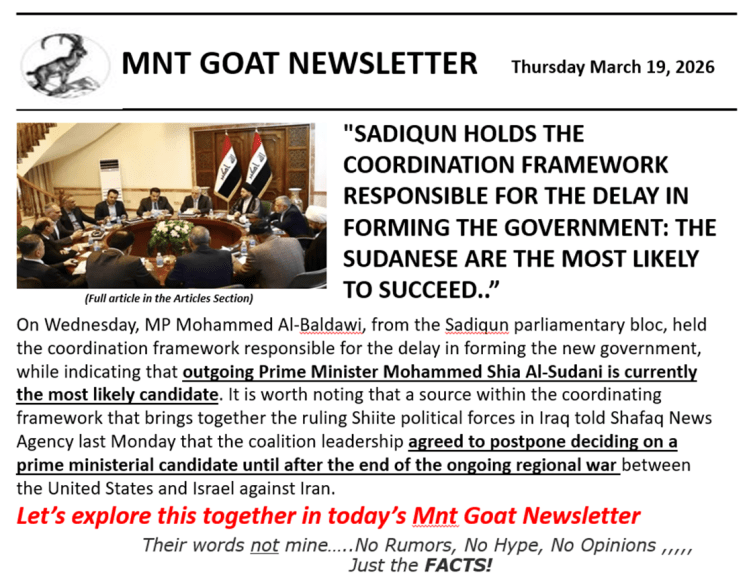
The coordinating framework that brings together the ruling Shiite political forces in Iraq agreed to postpone deciding on a prime ministerial candidate until after the end of the ongoing regional war between the United States and Israel against Iran, according to a political source who spoke to Shafaq News Agency earlier.
The Coordination Framework had officially nominated Maliki on January 24, a move that opened the door to negotiations to form the new government, but the process faltered as disagreements continued over the election of the President of the Republic, the constitutional entitlement that precedes assigning the candidate of the largest bloc to form the government.
*******************************************************************************************
MP: THE SESSION TO ELECT THE PRESIDENT IS NOT YET DECIDED, AND POSTPONEMENT IS POSSIBLE.
Former MP, Arif Al-Hamami, confirmed on Tuesday that the session scheduled for April 11 to elect the President of the Republic has not yet been decided, noting that setting the date came as a result of initial understandings that have not reached the stage of final confirmation.
Al-Hamami told Al-Maalouma that “the Iraqi parliament’s setting of a session on April 11 to elect the president is still not decided among the political forces, and it cannot be confirmed that it will be held at this time,” indicating that “postponing the date remains very possible in light of the lack of mature agreements.”
He added that “Iraq is going through a difficult phase and multifaceted challenges, which requires a clear political decision to complete the formation of the government, starting with the election of the President of the Republic, up to the assignment of the candidate of the largest bloc, in order to proceed with managing the current crises, especially the financial and economic files.”
Al-Hamami indicated that “next week will witness a series of important meetings in Baghdad between various political forces,” noting that “these meetings may lead to outcomes that push towards greater consensus regarding the April 11th session, including the forces of the Coordination Framework, in preparation for electing the President of the Republic and tasking the candidate of the largest bloc.”
********************************************************************************************
“CASH FIRST”… WHY IS ELECTRONIC PAYMENT FAILING TO GAIN THE TRUST OF IRAQIS?
In Iraq, cash still retains its position as the most prevalent means of payment in daily life, despite the gradual expansion of electronic payment services.
While financial systems evolve and banking cards and applications proliferate, cash transactions remain the preferred option for a wide segment of citizens, as they consider it the fastest, simplest, and safest from their point of view, given the ongoing challenges related to trust in banking services and their stability.
Opinions and comments
Citizen Taha Ahmed told Shafaq News Agency that he prefers to use cash in his daily transactions instead of electronic payment cards, despite having a bank card, explaining that he only uses it when his salary is deposited, as he withdraws it in full immediately.
He adds that the reason is due to the ease of dealing with cash on the one hand, in addition to widespread concerns about the possibility of theft or unjustified withdrawals from cards without the knowledge of their owners or prior notification from the banks.
According to Ahmed, these concerns, whether true or just rumors, prompted him to avoid keeping any money on the card and instead rely on cash for all his daily transactions, indicating that the lack of trust in electronic payment methods is still an influential factor among a segment of citizens, despite the increasing spread of these services.
Statistics indicate that the number of payment cards in Iraq exceeded 20-22 million cards, but the actual use remains less than the distribution volume. The Central Bank also clarifies that the size of the money supply amounts to 93 trillion dinars, while what is inside the banks does not exceed 11 trillion dinars.
Cash despite the reform
For his part, the Prime Minister’s financial advisor, Mazhar Muhammad Saleh, told Shafaq News Agency that “the informal economy still constitutes a large share of activity in Iraq, which reinforces the reliance on cash in daily transactions, especially in markets and small businesses.”
He believes that cultural factors and weak digital financial awareness play a role in the preference for cash, along with some concerns related to fees or technical errors, noting that many payment card holders use them only to withdraw salaries, which limits their spread as an actual means of payment.
On the other hand, Saleh points to growing positive indicators, as Iraq is witnessing a remarkable expansion in the use of electronic payment cards, especially at gas stations and some services, with the support of the government’s economic and banking reform program.
He continued, saying that “the government’s efforts are progressing in promoting digital transformation through expanding electronic collection, spreading financial inclusion, developing the payment infrastructure, and providing incentives to encourage use,” adding that “Iraq is gradually moving towards establishing a culture of electronic payment, supported by ongoing reforms aimed at building a more efficient and stable digital financial system.”
According to statistics, about 90% to 95% of payments in Iraq are still made in cash, as stated in recent economic reports and studies.
Digital Payment Culture
For his part, financial expert Mahmoud Dagher confirms that the transition from cash transactions to electronic payments in Iraq is not just a technical step, but a cultural shift that requires time and societal awareness, and cannot be achieved in a short period.
(How long then? Isn’t 23 years long enough?)
In an interview with Shafaq News Agency, he points out that this process faces several challenges, most notably the incomplete and organized economic cycle, which includes registering shops, documenting properties, and opening bank accounts, which are essential factors for creating an integrated digital financial environment.
According to Dagher, the absence of a large segment of consumers and sellers from the banking system limits the expansion of the use of electronic payment tools. He explained that promoting this shift requires raising the level of confidence in the banking sector, in addition to providing encouraging incentives for users, whether consumers or business owners, such as discounts or additional benefits compared to cash payments.
He explains that imposing electronic payment by force may not achieve positive results, but rather encouraging voluntary use through incentives is the most effective way, noting that the electronic payment system in Iraq is still relatively new, as it only started to appear about two years ago, which puts it in the initial establishment phase, with expectations of gradual development and an increase in demand rates during the coming period.
On the other hand, an informed source believes that most countries in the world have moved towards relying on electronic payment systems, with a significant decline in the use of cash in many daily transactions, as part of the shift towards a digital economy.
The source explained to Shafaq News Agency that “electronic payment in Iraq represents a positive step towards modernity and financial development, but it faces several challenges, most notably the weakness of the banking infrastructure, the need to strengthen the role of the Central Bank in this field, as well as the limited awareness of digital financial culture among a segment of citizens.”
There is also a need for more effective oversight and monitoring by the Central Bank and relevant authorities of electronic payment companies, given the financial deductions imposed on the cards of employees and retirees, according to the source.
According to experts, developing this sector requires addressing these challenges in an integrated manner, to ensure the building of a more efficient and reliable electronic payment system in Iraq.
In the same context, economist Mohammed Al-Hassani told Shafaq News Agency that “the liquidity structure in Iraq still reflects a high reliance on cash,” explaining that “about 40% to 45% of the money supply is still outside the banking system, while the percentage of funds inside banks does not exceed 55% to 60%.”
It is believed that “this reality reflects structural challenges in the financial sector, most notably weak confidence in banks and a decline in the use of modern banking tools compared to direct cash transactions.”
Al-Hassani concludes his statement by saying that “most areas of Iraq, especially wholesale markets such as Al-Shourja, Jamila and others, still rely almost entirely on cash in daily transactions, with weak demand for electronic payment due to a lack of trust in banks and fear of technical or security problems related to cards and bank accounts.”
********************************************************************************************
ECONOMIC EXPERT: A HONG KONG COMPANY HAS SUBMITTED A PROPOSAL TO IRAQ TO EXTEND TWO OIL PIPELINES TOWARDS JORDAN AND TURKEY.
Economic expert Nabil Al-Marsoumi revealed that Iraq has received an offer to construct oil pipelines from the Hong Kong-based company Heritage Funds LPF.
Al-Marsoumi stated in a Facebook post, which was monitored by Iraq Observer, that this company possesses extensive experience in financing government projects and is prepared to implement and finance the construction of an oil and gas pipeline project using an engineering, procurement, and construction (EPC) model based on barter contracts with a share of crude oil.
He explained that the company submitted its offer to the Iraqi Ministry of Oil to implement the following two projects:
1. A project extending from the port of Basra to the city of Haditha, and from Haditha to Aqaba in Jordan or the port of Latakia on the Mediterranean Sea in Syria.
2. A pipeline extending from the port of Basra to the Turkish border.
Al-Marsoumi did not specify when this offer was submitted or whether it was related to the current crisis.
Iraqi oil production halted after the closure of the Strait of Hormuz due to the ongoing war, and the strait is the main outlet for Iraqi oil exports.
While Iraq exported around four million barrels per day before the war, its exports have now plummeted to just 200,000 barrels per day via the Turkish Ceyhan pipeline and a few thousand more by tanker through Jordan.
Iraq faces complex economic challenges and fears of complete economic paralysis with the cessation of its oil revenues, which constitute more than 95% of the income of this rentier state.
*******************************************************************************************
DESPITE IRANIAN DENIALS, TRUMP SAYS IRAN IS NEGOTIATING SECRETLY AND IS AFRAID TO MAKE IT PUBLIC.
US President Donald Trump insisted on Thursday that Iran is participating in peace talks despite its denials, asserting that Iranian negotiators are afraid to announce it for fear of internal reactions.
“They are negotiating, by the way, and they very much want to make a deal,” Trump said during a dinner for Republican members of Congress. “But they are afraid to say so, because they think if they do, they will be killed by their own people.”
In this context, the American newspaper “The Wall Street Journal” stated that Trump is seeking to end the war with Iran in the coming weeks, and that he has informed his aides of his desire to put a quick end to the conflict.
The newspaper quoted a US official as saying that some of Trump’s close associates are “pushing for escalation and regime change in Iran,” while the president has expressed willingness to send troops into Iran, but is hesitant because of the risks of escalation.
The source added that there are “fears of increased casualties in the event of a US ground intervention in Iran,” noting that losses on the US side amounted to “about 300 wounded and 13 dead since the start of the last war with Iran.”
The newspaper explained that Trump “discussed securing US access to a portion of Iranian oil as part of any agreement to end the war.”
Trump said on Wednesday that Iran’s leaders are negotiating with the United States but denying it to their people, adding: “I ended 8 wars, and now we are winning our war on Iran,” and asserting that the Iranian negotiators “are afraid of being killed by their own people.”
Trump stressed that “the Iranians are negotiating with us and are eager to make a deal,” adding: “We have destroyed everything in Iran. We want to see the United States succeed in its military operations in Iran.”
In contrast, the US government threatened on Wednesday to intensify attacks on Iran if no agreement is reached, with White House spokeswoman Carolyn Levitt saying that “there is no need for more death and destruction.”
Levitt added: “If Iran does not accept the reality of the current moment, and if it does not realize that it has been militarily defeated and will remain so, then President Trump will ensure that it is struck with even greater force than it has ever experienced before.”
She indicated that the leadership in Tehran has an opportunity to cooperate with Trump, which requires abandoning its nuclear program and ceasing to threaten the United States and its allies.
In this context, the White House announced that the United States and Iran remain engaged in peace talks, despite reports in Iranian media that Tehran has rejected Washington’s proposal to end the war.
In response to those reports, Levitt said that “talks are ongoing and productive, as President Trump has declared,” stressing that “President Trump does not threaten in vain, and he is prepared to open the gates of hell, and Iran should not miscalculate again.”
She explained that there are “elements of truth” in the media reports about a 15-point American plan that includes demands directed at Tehran.
Iranian Foreign Minister Abbas Araqchi said on Wednesday that his government does not intend to hold any negotiations with the United States to end the war, adding in an interview with state television that exchanging messages through intermediaries “does not mean negotiating with the United States.”
Araghchi noted that the highest authorities are “reviewing the proposals submitted,” stressing that Iran does not intend to hold talks with the United States.
*********************************************************************************************
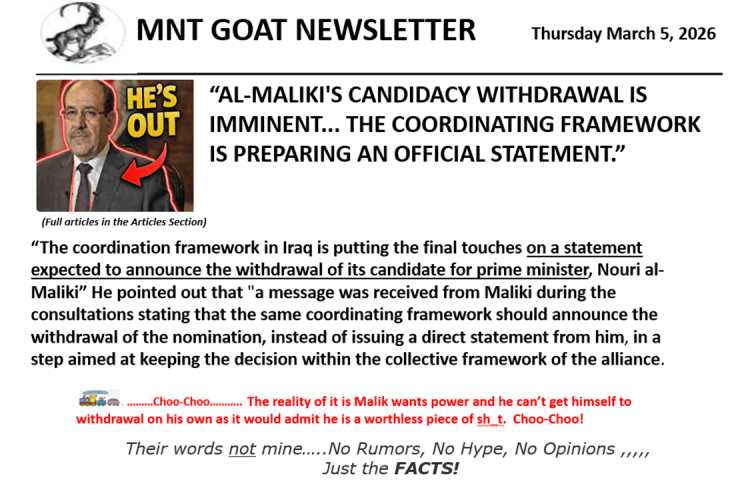
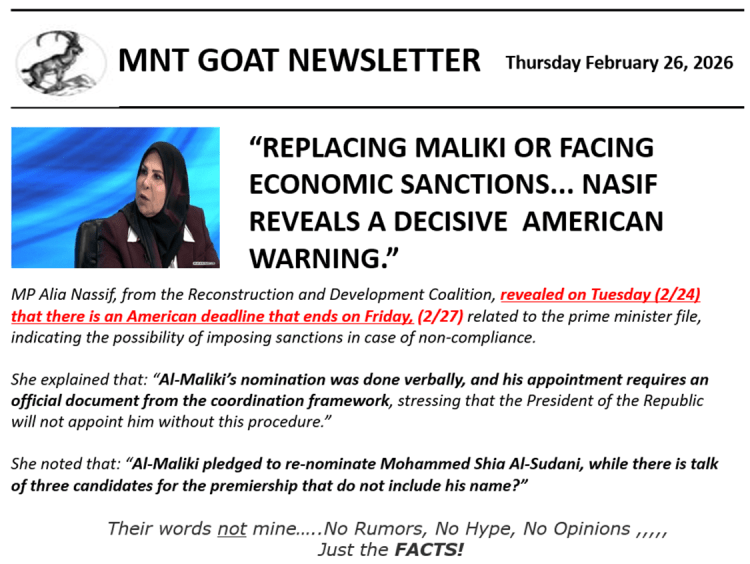
AL-MALIKI THREE TIMES: AMERICA CHANGED ITS MIND ABOUT AL-SUDANI AND THE EMBASSY INFORMED THE FRAMEWORK OF THE REFUSAL TO RENEW
State of Law Coalition member Diaa al-Nasiri said that the US Chargé d’Affaires Joshua Harris visited leaders in the coordination framework and informed them of the United States’ rejection of renewing the government of Mohammed al-Sudani.
He commented on al-Maliki’s absence from the framework sessions that took place two weeks ago, saying that al-Maliki was attending the funeral of Ayatollah Khamenei, and that the timing of the parliamentary session was inappropriate, as was responding to the invitation in light of the events in the region, according to his expression, which he repeated 3 times during an interview with journalist Samer Jawad, which was followed by
Q: Why was Maliki absent and then attended the last meeting of the framework?
If you mean the meeting two weeks ago when Abu Mujtaba was martyred, Mr. Maliki was at the funeral, and the political situation could not bear it. We have a great religious authority of Mr. Maliki’s stature being martyred, and then they call for a meeting the next day? Frankly, the invitation was not appropriate, nor was the response to it appropriate.
Regarding the framework session, there was a surge on social media, and a call for demonstrations. Anyone who did not want this session to be held was considered a traitor to the nation. There were 299 MPs who called for this session, and the issue of the prime minister candidate was decided 10 days before the deadline. When it was decided, “when I took up the matter, one group broke their promise and another group rebelled.” They are waiting for signals and praying to God for a second tweet to come down.
The envoys came, and then the threats began to rain down on us.
The new position: A new recommendation arrived from the American chargé d’affaires who visited some leaders in the coordination framework and said, “If you intend to withdraw al-Maliki’s nomination and bring in al-Sudani, we will not be satisfied and we do not want to renew the prime minister’s term.”
******************************************************************************************
Their words not mine…..No Rumors, No Hype, No Opinions ,,,,,
Just the FACTS!
Disclaimer: All information in this newsletter is not intended for investment decisions / purposes. Mnt Goat is not a financial analyst, planner, banker, attorney or associated in any role with giving out professional investment advice.
Auf Wiedersehen
Much love to ya all,
Mnt Goat



























 LATEST MNT GOAT NEWSLETTER
Leave a comment